

glass full length mirror
The Importance and Versatility of OEM Saddle Pipe Clamps In the realm of plumbing and construction, the seemingly simple components often play a crucial role in ensuring the stability and efficiency of various systems. One such essential component is the OEM saddle pipe clamp. These clamps are integral to the installation and maintenance of piping systems, allowing for secure connections and seamless operation. This article delves into the importance, versatility, and application of OEM saddle pipe clamps in various industries. What is an OEM Saddle Pipe Clamp? OEM stands for Original Equipment Manufacturer, which signifies that the saddle pipe clamps are manufactured to meet specific standards set by the original equipment. A saddle pipe clamp is designed to support pipes at various angles or to stabilize them against external forces. Typically, it features a saddle-like design that wraps around the pipe and tightens securely using bolts or screws, ensuring the pipe remains in place without any movement, which might lead to leaks or failures. Why Are OEM Saddle Pipe Clamps Important? 1. Enhanced Stability One of the primary functions of saddle pipe clamps is to provide stability. They prevent pipe movement that could lead to bending or stress, which might ultimately result in leaks or failures. This is particularly critical in environments where pipes are subject to vibrations, thermal expansion, or significant pressure changes. 2. Ease of Installation OEM saddle pipe clamps are designed for easy installation, allowing for quick setup in various applications. Their user-friendly design means that even those with minimal experience can secure pipes effectively, leading to time and cost savings during installation projects. 3. Corrosion Resistance Many OEM saddle pipe clamps are manufactured from materials that are resistant to corrosion and rust. This is essential in environments where pipes may be exposed to moisture or other harsh conditions. By preventing corrosion, these clamps extend the lifespan of the piping system, reducing the need for repairs and replacements. oem saddle pipe clamp 4. Versatility OEM saddle pipe clamps can be utilized across a broad spectrum of industries, including plumbing, HVAC, and industrial manufacturing. Whether for residential plumbing systems, complex industrial piping, or heating and cooling systems, these clamps provide the necessary support and reliability. Applications of OEM Saddle Pipe Clamps 1. Residential Plumbing In homes, OEM saddle pipe clamps are crucial for securing water supply lines, drainage pipes, and vent stacks. They help maintain the integrity of plumbing systems and prevent potential water damage caused by leaks. 2. HVAC Systems In heating, ventilation, and air conditioning (HVAC) applications, these clamps are employed to secure ductwork and refrigerant lines. Ensuring that these pipes are stable minimizes noise and enhances the overall efficiency of the system. 3. Industrial Settings In manufacturing plants, OEM saddle pipe clamps facilitate the transport of fluids and gases within complex piping systems. Their robust design is capable of handling high pressures and temperatures, making them ideal for applications involving steam or chemical processing. 4. Construction During construction, these clamps assist in the installation of temporary piping systems, supporting equipment like scaffolds or cranes where pipes need to be securely attached. Conclusion In conclusion, OEM saddle pipe clamps are indispensable components in various plumbing and construction applications. Their reliability, ease of use, and versatile nature make them a preferred choice for professionals across multiple industries. By enhancing the stability and efficiency of piping systems, these clamps play a critical role in ensuring that infrastructure operates smoothly and effectively. Investing in high-quality OEM saddle pipe clamps not only guarantees a secure connection but also contributes to the overall longevity and performance of the systems they support. As industries continue to evolve, the demand for reliable and efficient piping solutions, such as OEM saddle pipe clamps, will undoubtedly remain a focal point in construction and maintenance.
about
glass full length mirror
Understanding the Importance of Inside Bore Gauges in Precision Engineering In the field of precision engineering, measurements play a crucial role in ensuring that components meet their specified tolerances. One of the most critical tools in this realm is the inside bore gauge, which allows engineers and machinists to measure the internal diameter of bores with exceptional accuracy. This article explores what inside bore gauges are, their importance in manufacturing processes, and how they contribute to the overall quality assurance of engineered products. What is an Inside Bore Gauge? An inside bore gauge is a specialized measuring instrument designed to assess the diameter of cylindrical openings—such as holes, tubes, and pipes. Typically, these gauges consist of a base and a set of measuring extensions or probes that can expand or retract to fit within the bore being measured. The device is calibrated to provide readings in either imperial or metric units, often displaying results on a dial or digital screen. Inside bore gauges can be made from various materials, including stainless steel and plastics, and they come in different configurations to suit specific applications. Generally, these tools enable precision measurements up to a thousandth of an inch or a fraction of a millimeter, making them indispensable in industries that demand high-quality standards. Why Are Inside Bore Gauges Important? 1. Accuracy and Precision The primary function of an inside bore gauge is to provide precise measurements. In industries like automotive, aerospace, and manufacturing, even the slightest deviation from the required dimensions can lead to catastrophic failures. Inside bore gauges help ensure that each component fits perfectly, avoiding costly rework and potential safety hazards. insize bore gauge 2. Quality Control Inside bore gauges are integral to quality control processes. By measuring the internal diameters of components, quality engineers can verify that the parts manufactured meet specific design specifications. This adherence to quality assurance protocols not only boosts the reputation of a brand but also enhances customer satisfaction. 3. Versatility These gauges can be used for a variety of applications. Whether measuring the size of a hole in a casting, inspecting the internal diameter of pipes, or assessing the bore of a hydraulic cylinder, inside bore gauges are capable of handling diverse tasks. Their versatility makes them vital for different sectors, including construction, manufacturing, and maintenance. 4. Ease of Use Inside bore gauges are designed with user-friendliness in mind. Many models feature intuitive operation that allows even those with minimal training to take accurate measurements. This convenience can lead to time savings in high-production environments where efficiency is crucial. 5. Durability Given their essential role in manufacturing, inside bore gauges are built to withstand wear and tear. High-quality materials and thoughtful design ensure that they can endure frequent use without losing their measuring capabilities. This durability makes them a reliable investment for organizations aiming to maintain high standards in their production processes. Conclusion Inside bore gauges may seem like a small component in the grand scheme of precision engineering, but their importance cannot be overstated. They serve as vital tools that ensure accuracy, uphold quality control standards, and enable versatile applications across various industries. By investing in high-quality inside bore gauges, businesses can enhance their operational efficiency and maintain the integrity of their products. In a world where precision is paramount, understanding the mechanics and significance of inside bore gauges is essential for anyone involved in engineering and manufacturing. As technology advances, these tools are likely to evolve, integrating digital features and automation to further improve measurement accuracy. Ultimately, inside bore gauges will continue to play a pivotal role in shaping the future of precision engineering, ensuring that components are manufactured to perfection—one gauge at a time.
-

High quality industrial productsagement

High quality industrial products
View Details -

Meet the diverse needs of customers

Meet the diverse needs of customers
View Details -

Strict quality control

Strict quality control
View Details -

Top raw materials

Top raw materials
View Details -

Trusted supplier

Trusted supplier
View Details
Our application


news and information
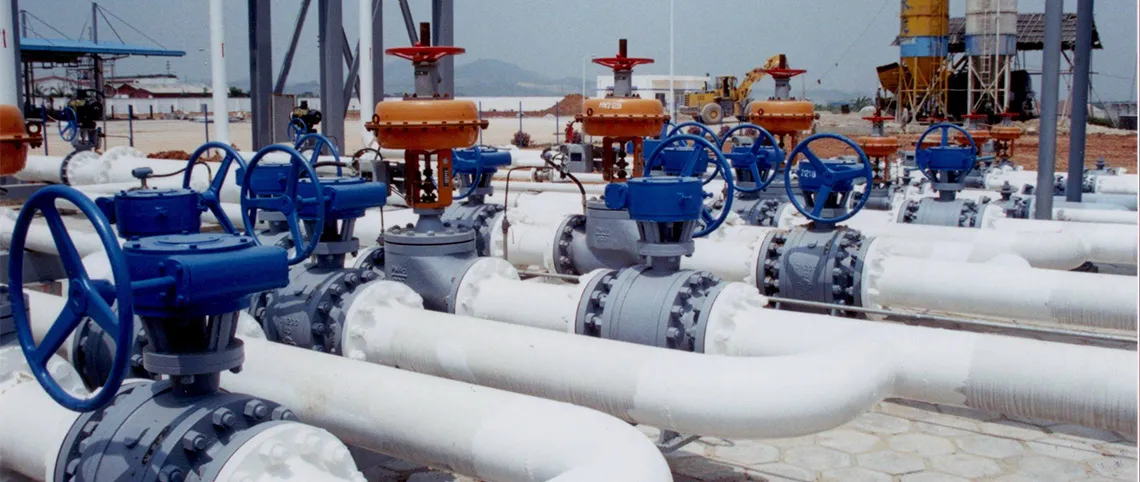
Water control valve
Understanding Water Control Valves Function, Types, and Applications Water control valves are pivota
Wholesale Opportunities for Quality Ball Valves at Competitive Prices
ball valves wholesale .

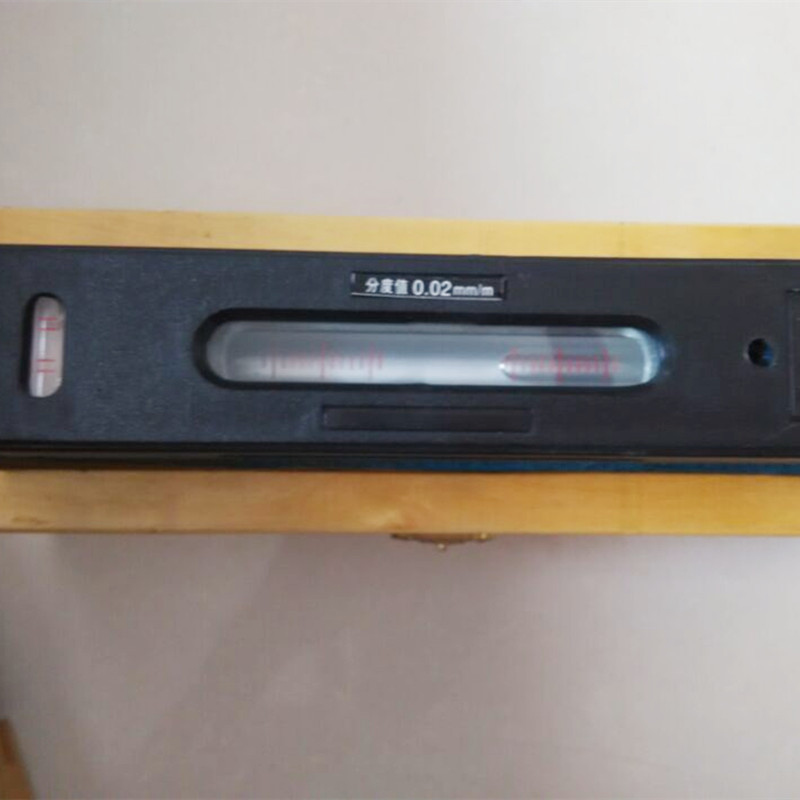
Using a Spirit Level for Accurate Measurement Techniques and Applications
Understanding the Spirit Level and Its Measurements The spirit level, also known as a bubble level,
 English